
When Symptoms Mean You Need a Medical Eye Exam
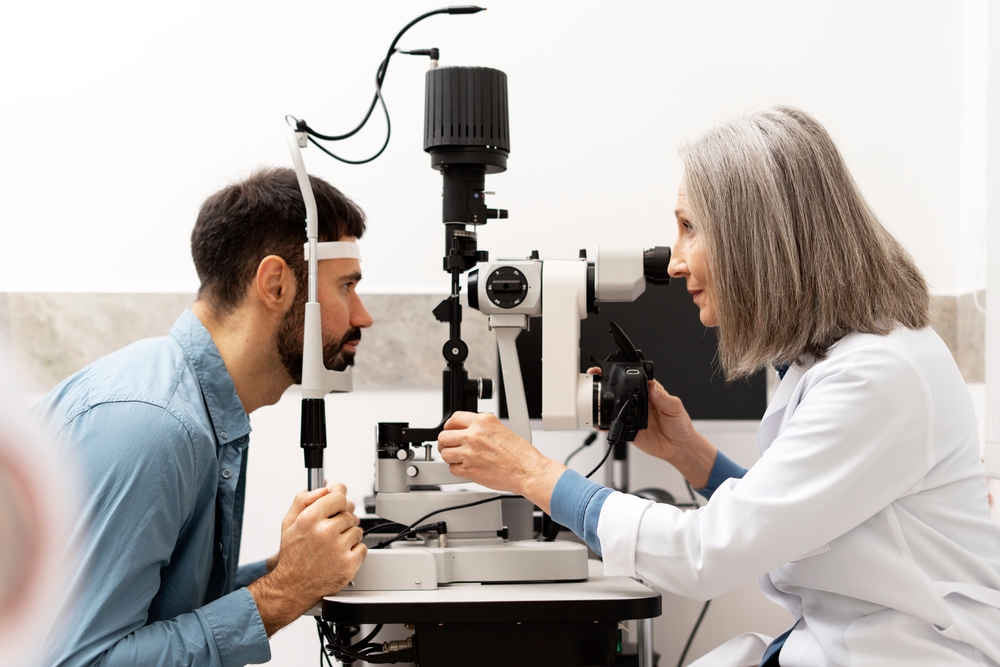
Many patients associate eye exams with updating glasses or contact lenses, but eye care goes far beyond vision correction. When new or persistent symptoms appear, they may indicate medical conditions affecting the eyes or visual system. Recognizing these symptoms early allows eye doctors to diagnose and treat problems before they threaten vision.
What Is a Medical Eye Exam?
A medical eye exam focuses on diagnosing and managing diseases of the eye and visual system. Unlike routine vision exams, which primarily assess eyesight and refractive error, medical eye exams evaluate eye health in response to specific symptoms, chronic conditions, or sudden changes in vision.
These exams often include advanced diagnostic tools such as Optomap retinal imaging, which captures a wide, detailed view of the retina without requiring traditional dilation in many cases. Combined with pressure testing and careful evaluation of the optic nerve and ocular surface, this technology allows our eye doctor to detect early signs of retinal disease, glaucoma, and other conditions that may not yet be affecting vision.
Symptoms That Should Never Be Ignored
Some eye symptoms are more than a minor inconvenience. If you experience any of the following, a medical eye exam is strongly recommended.
Sudden or Progressive Vision Changes
Blurred vision that appears suddenly, worsens over time, or affects only one eye can indicate conditions such as retinal disease, optic nerve disorders, or vascular issues. Vision changes may also be linked to systemic conditions like diabetes or high blood pressure.
Eye Pain or Pressure
Eye pain, aching, or a sensation of pressure - especially when accompanied by redness or visual changes - can be a sign of inflammation, infection, or glaucoma. Pain is not a normal part of healthy vision and should always be evaluated.
Persistent Redness or Irritation
Occasional redness from dryness or fatigue is common, but redness that does not improve, worsens, or comes with discharge or light sensitivity may signal infection, uveitis, or ocular surface disease.
Light Sensitivity or Halos
Increased sensitivity to light, glare, or seeing halos around lights can be associated with corneal conditions, cataracts, or elevated eye pressure. These symptoms deserve prompt medical evaluation.
Flashes of Light or New Floaters
Seeing flashes of light, a sudden increase in floaters, or a shadow or curtain in your vision may indicate retinal tears or detachment - conditions that require urgent care to prevent permanent vision loss.
Dry Eye That Doesn’t Improve
Chronic burning, grittiness, tearing, or fluctuating vision may be signs of moderate to severe dry eye disease. When symptoms persist despite over-the-counter treatments, a medical eye exam can identify underlying causes and guide more effective treatment options.
Medical Conditions That Require Ongoing Eye Care
Some patients may not notice obvious symptoms but still require medical eye exams due to underlying health conditions, including:
Diabetes
Autoimmune or inflammatory diseases
Thyroid disease
History of eye injury or surgery
Family history of glaucoma or macular degeneration
Regular medical monitoring allows eye doctors to detect subtle changes early, often before vision is affected.
Why Early Evaluation Matters
Many eye diseases progress silently, causing damage before symptoms become obvious. Early diagnosis allows for more treatment options, better outcomes, and long-term preservation of vision. Waiting too long can limit treatment effectiveness and, in some cases, lead to irreversible vision loss.
Schedule a Medical Eye Exam at Westside Vision
Your eyes often provide important clues about your health. Persistent discomfort, sudden vision changes, or unusual visual symptoms are not something to “wait out.” At Westside Vision, proudly serving New York, we provide medical eye exams to accurately diagnose underlying eye conditions and manage them with the thoughtful, individualized care they require.
Contact Westside Vision to schedule your medical eye exam and take a proactive step toward protecting your vision and eye health. Visit our office in New York, NY, or call (212) 244-5536 to book an appointment today.
Contact Info
Office Hours
- Monday 9:00am - 6:00pm
- Tuesday 9:00am - 6:00pm
- Wednesday 9:00am - 6:00pm
- Thursday 9:00am - 6:00pm
- Friday 9:00am - 6:00pm
- Saturday Closed
- Sunday Closed
© 2026 Westside Vision. All Rights Reserved. Accessibility Statement | Privacy Policy | Sitemap
Powered by:
