
The Silent Thief of Sight: Intercepting Asymptomatic Ocular Hypertension and Nerve Loss
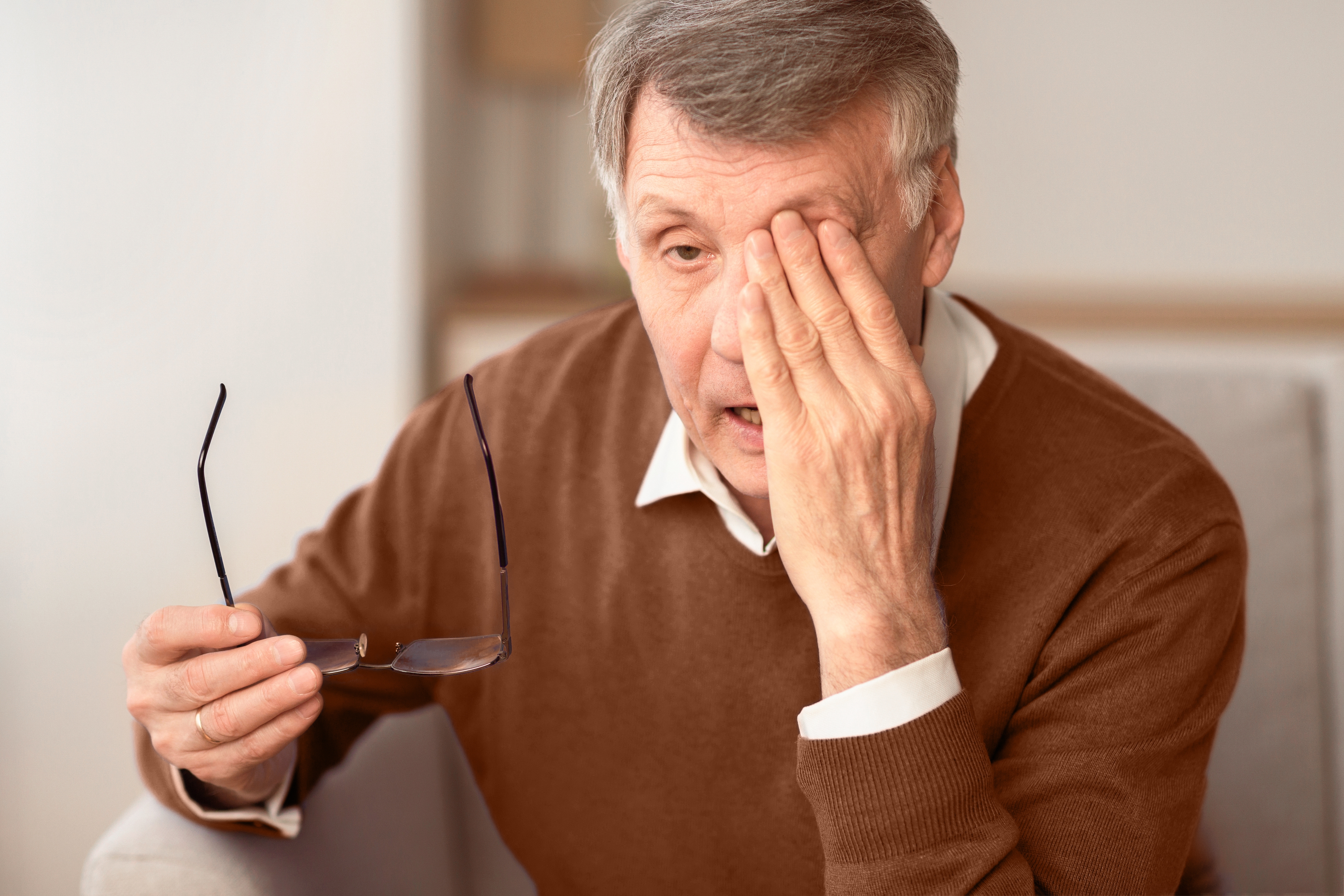
Glaucoma is often called the silent thief of sight because it can damage vision slowly without obvious warning signs. One of the reasons it can be difficult to catch early is that ocular hypertension, or elevated eye pressure, may not cause pain, redness, or noticeable blur. You may feel that your eyes are fine while pressure-related changes are quietly affecting the optic nerve.
At Westside Vision in Chelsea, Manhattan, we help patients protect long-term eye health with comprehensive eye exams that look beyond prescription changes.
What Is Ocular Hypertension?
Ocular hypertension means the pressure inside the eye is higher than expected. This pressure is called intraocular pressure. It can happen when fluid inside the eye does not drain as efficiently as it should.
Having ocular hypertension does not automatically mean you have glaucoma. However, it can increase the risk of optic nerve damage in some patients. That is why ongoing monitoring is important, especially if other risk factors are present.
Why Elevated Eye Pressure Can Be Silent
Many patients expect an eye problem to feel uncomfortable. With ocular hypertension, that is often not the case. Eye pressure can be elevated without causing headaches, pain, or obvious vision changes.
The concern is that the optic nerve, which carries visual information from the eye to the brain, may become damaged over time. Once glaucoma-related vision loss occurs, it usually cannot be reversed. Early detection focuses on finding risk before vision is permanently affected.
How Nerve Loss Affects Vision
Glaucoma-related nerve loss often starts with peripheral vision, or side vision. Because central vision may remain clear in the early stages, many people do not notice the change. The brain can also compensate for missing areas of vision, making the condition harder to recognize without testing.
By the time vision loss becomes noticeable, the disease may be more advanced. This is why routine eye exams are especially important for Manhattan patients who may spend long days working, commuting, reading, and using screens without realizing subtle vision changes are developing.
What We Look For During An Eye Exam
A glaucoma-focused eye exam involves more than reading the 20/20 line. Your optometrist may evaluate several key factors, including:
- Eye pressure measurements
- Optic nerve appearance
- Retinal nerve fiber layer health
- Peripheral vision changes
- Corneal thickness when needed
- Family history of glaucoma
- Prescription and eye health history
- Changes compared to previous exam results
These details help your eye doctor determine whether your eyes appear stable or need closer monitoring.
Why Eye Pressure Is Only Part Of The Picture
Eye pressure is important, but it is not the only factor. Some patients have elevated eye pressure without nerve damage. Others can develop glaucoma even when pressure readings are within a normal range.
That is why your doctor evaluates the optic nerve and overall eye health, not just one number. Comparing exam findings over time can help detect changes that may not be obvious from a single visit.
Who Is At Higher Risk?
Some patients should be especially consistent with eye exams. Risk may be higher for people with a family history of glaucoma, elevated eye pressure, older age, high myopia, diabetes, high blood pressure, past eye injury, or certain medication use.
If you have been told your eye pressure is high, or if glaucoma runs in your family, annual eye exams may not be enough. Your eye doctor will recommend a monitoring schedule based on your personal risk level.
What Happens If Changes Are Found?
If your exam shows suspicious pressure, optic nerve changes, or visual field concerns, your optometrist may recommend additional testing, closer follow-up, treatment, or referral to an ophthalmologist. Needing more testing does not always mean you have glaucoma. It means your doctor wants better information before making a decision.
Early intervention may include prescription eye drops, laser treatment, or other care depending on the diagnosis and severity.
Protecting Vision Before Symptoms Appear
The best time to evaluate ocular hypertension is before vision changes are noticeable. A comprehensive eye exam can help identify risk, monitor optic nerve health, and guide the next step if early signs of damage appear.
To schedule a comprehensive eye exam or glaucoma risk evaluation, contact Westside Vision in Chelsea, Manhattan, NY at 307 7th Avenue, Suite 307, New York, NY 10001, or call (212) 244-5536.
Contact Info
Office Hours
- Monday 9:00am - 6:00pm
- Tuesday 9:00am - 6:00pm
- Wednesday 9:00am - 6:00pm
- Thursday 9:00am - 6:00pm
- Friday 9:00am - 6:00pm
- Saturday Closed
- Sunday Closed
© 2026 Westside Vision. All Rights Reserved. Accessibility Statement | Privacy Policy | Sitemap
Powered by:
