
Medical Eye Exams vs. Routine Vision Checks: What Chelsea Patients Need to Know About Early Disease Detection
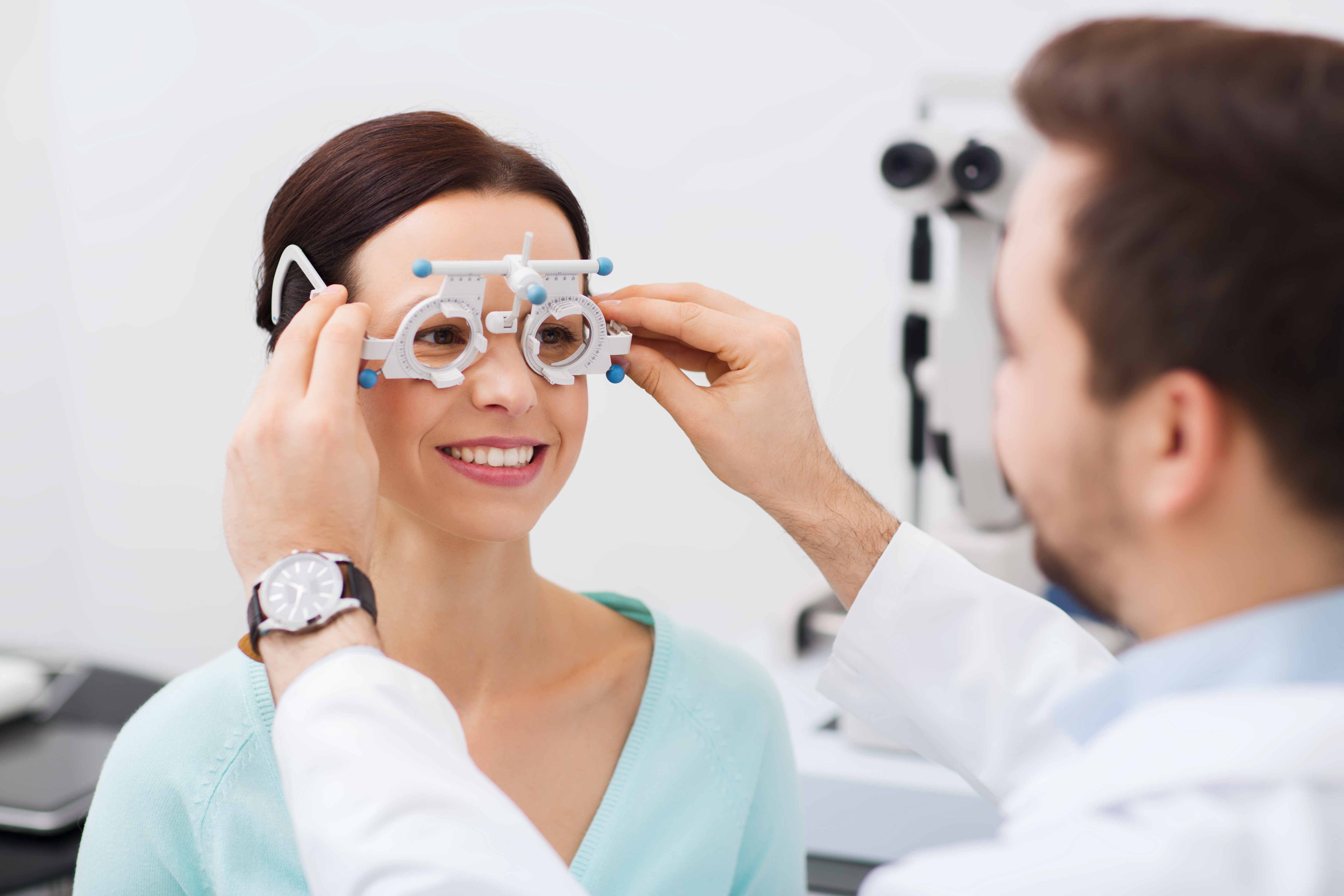
Seeing clearly does not always mean your eyes are completely healthy. Many eye conditions can develop before they cause obvious changes in vision, which is why regular eye care matters. For patients in Chelsea, understanding the difference between a routine vision check and a medical eye exam can help you know what type of appointment you may need.
At Westside Vision, our comprehensive eye exams evaluate both visual clarity and overall eye health. When symptoms or known eye conditions are present, additional medical evaluation may also be necessary.
What Is a Routine Vision Check?
A routine eye exam typically evaluates how clearly you see and whether your glasses or contact lens prescription needs to be updated. It may include testing for nearsightedness, farsightedness, astigmatism, focusing ability, eye coordination, and other aspects of visual function.
Importantly, a comprehensive routine eye exam can also include an assessment of eye health. Depending on your age, health history, symptoms, and examination findings, your eye doctor may perform additional testing or recommend pupil dilation.
This means a routine appointment can sometimes reveal an eye health concern even when you scheduled the visit simply because your prescription seemed outdated.
What Makes an Eye Exam Medical?
A medical eye exam is generally focused on evaluating or managing a specific symptom, injury, disease, or eye health condition rather than primarily updating a prescription.
Reasons a Chelsea patient may need a medical eye evaluation include:
New eye pain, redness, or significant irritation
Sudden flashes, new floaters, or changes in vision
Monitoring glaucoma or elevated eye pressure
Evaluating diabetes-related eye changes
Following an existing retinal, corneal, or other eye condition
The testing performed depends on the reason for the visit. A medical eye exam may involve dilation, retinal evaluation, eye pressure testing, imaging, or other procedures when clinically appropriate.
Why Is Early Eye Disease Detection Important?
Several eye diseases can progress quietly. Glaucoma, for example, may cause peripheral vision loss without obvious early symptoms. Diabetic retinopathy can also develop before a person notices a change in everyday vision.
Other conditions affecting the retina, macula, cornea, or optic nerve may also require monitoring even when vision still seems sharp.
Regular comprehensive eye exams give us an opportunity to identify concerning changes and determine whether additional testing, monitoring, or referral is appropriate. Early detection does not guarantee that every eye condition can be prevented, but it can allow treatment or monitoring to begin sooner when needed.
Does 20/20 Vision Mean Your Eyes Are Healthy?
No. A 20/20 measurement tells us how clearly you can see at a specific distance. It does not provide a complete picture of your eye health.
Someone can have 20/20 vision and still have an eye condition developing without noticeable symptoms. This is one reason we look beyond the eye chart during a comprehensive examination at our Chelsea practice.
Your medical history matters as well. Diabetes, high blood pressure, certain medications, family history, age, and previous eye problems can influence how frequently your eyes should be evaluated.
When Should You Schedule an Eye Exam?
If you simply need your prescription checked, a routine comprehensive eye exam may be appropriate. If you have new symptoms, an eye injury, or an existing eye disease that requires monitoring, let our office know when scheduling so we can help determine the appropriate type of visit.
Sudden vision loss, severe eye pain, new flashes with a sudden increase in floaters, or a curtain-like shadow in your vision requires urgent evaluation rather than waiting for a routine appointment.
If you are due for an eye exam or have concerns about changes in your eye health, contact Westside Vision at 307 7th Avenue, Suite 307, New York, NY 10001 by calling (212) 244-5536 to schedule an appointment with our Chelsea eye care team.

Contact Info
Office Hours
- Monday 9:00am - 6:00pm
- Tuesday 9:00am - 6:00pm
- Wednesday 9:00am - 6:00pm
- Thursday 9:00am - 6:00pm
- Friday 9:00am - 6:00pm
- Saturday Closed
- Sunday Closed
© 2026 Westside Vision. All Rights Reserved. Accessibility Statement | Privacy Policy | Sitemap
Powered by:
