
Is LipiFlow® Right for Your Dry Eye Symptoms?
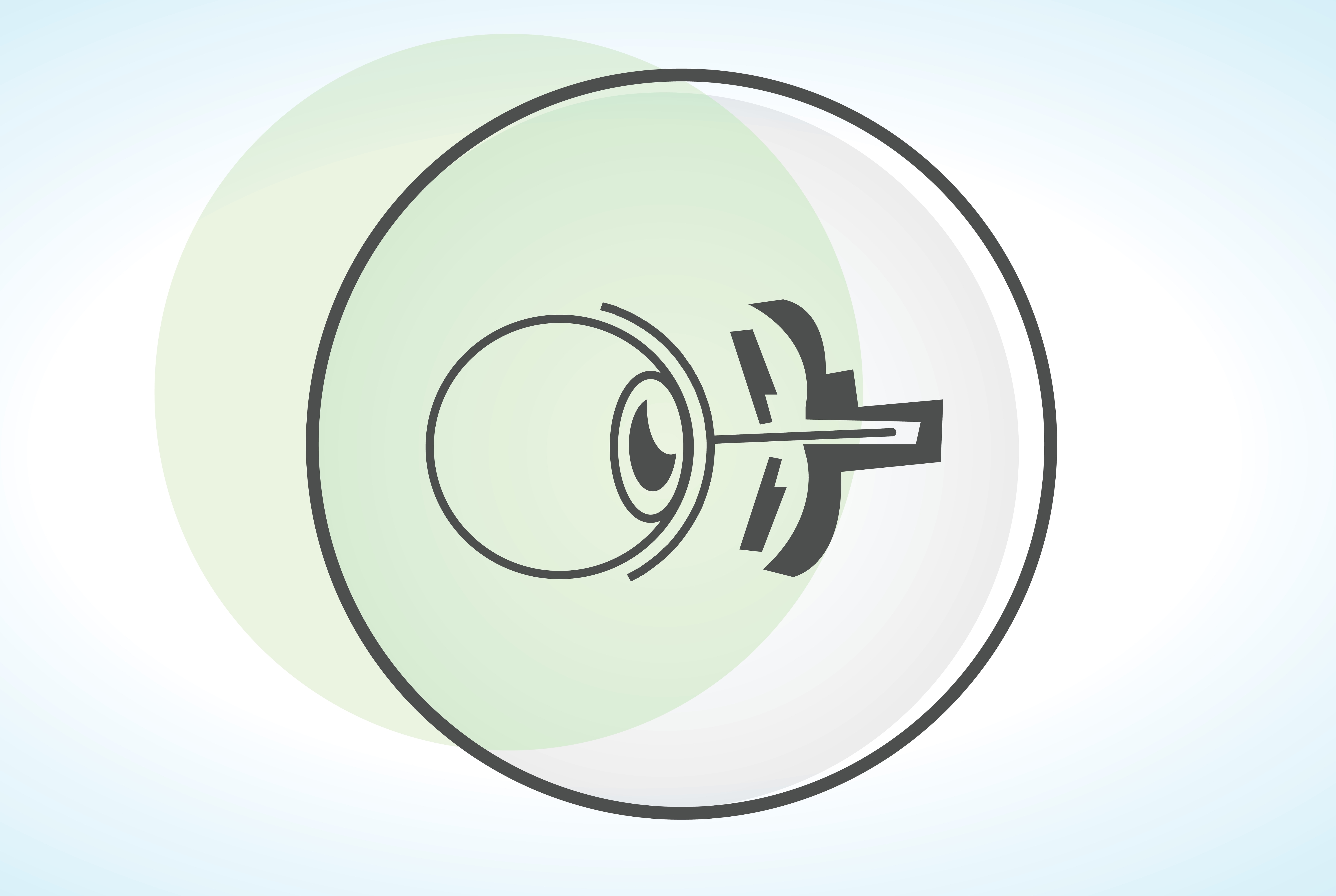
Dry eye can make everyday tasks feel harder, from reading and working on a computer to wearing contact lenses comfortably. Many people describe burning, stinging, watering, redness, gritty eyes, or blurry vision that comes and goes throughout the day. At Westside Vision, we look beyond temporary relief to understand what is causing your symptoms. For many patients, dry eye is linked to meibomian gland dysfunction, or MGD, which affects the oil layer of the tear film. Your tears need a healthy balance of water, oil, and mucus. The meibomian glands in your eyelids produce oil that helps slow tear evaporation. When these glands become blocked or do not function properly, tears can evaporate too quickly, leaving the surface of the eye dry and irritated. MGD is common, especially for people who spend long hours on screens, wear contact lenses, live with allergies, or experience eyelid inflammation. Because the problem starts in the glands, artificial tears may help temporarily but may not address the source. LipiFlow is an in-office dry eye treatment designed to help clear blocked meibomian glands. The treatment uses gentle heat and therapeutic pressure on the eyelids to help loosen and express trapped oil from the glands. By improving oil flow, LipiFlow may help support a healthier tear film and reduce evaporative dry eye symptoms. It is often recommended when a dry eye evaluation shows that gland blockage is contributing to discomfort. LipiFlow may be a good option if your symptoms are tied to poor oil gland function. During your exam, we can evaluate your tear film, eyelid health, and meibomian glands to determine whether this treatment fits your needs. You may benefit from a LipiFlow consultation if you experience: LipiFlow is performed in our office and does not require downtime for most patients. The device is placed comfortably around the eyelids while applying controlled warmth and pressure. The goal is to help restore better oil flow from the glands without needing patients to manage the process at home. Some patients notice improvement gradually as the tear film becomes more stable. Others may still need additional dry eye care, such as lid hygiene, prescription drops, lifestyle adjustments, or follow-up treatments depending on the severity of their condition. Not every case of dry eye has the same cause. Some symptoms come from inflammation, allergies, environmental triggers, medication side effects, or other eye health concerns. That is why we do not recommend treatment based on symptoms alone. At Westside Vision, we take time to identify what is contributing to your discomfort so we can recommend care that makes sense for your eyes. If LipiFlow is appropriate, we will explain what it can do, what to expect, and how it may fit into your broader dry eye treatment plan. To find out whether LipiFlow is right for your dry eye symptoms, contact Westside Vision in New York, NY by calling 212-244-5536.Dry Eye Is More Than Occasional Irritation
How Meibomian Gland Dysfunction Affects Your Tears
What LipiFlow Does
Signs LipiFlow May Be Right For You
What To Expect During Treatment
Why A Dry Eye Evaluation Matters First

Contact Info
Office Hours
- Monday 9:00am - 6:00pm
- Tuesday 9:00am - 6:00pm
- Wednesday 9:00am - 6:00pm
- Thursday 9:00am - 6:00pm
- Friday 9:00am - 6:00pm
- Saturday Closed
- Sunday Closed
© 2026 Westside Vision. All Rights Reserved. Accessibility Statement | Privacy Policy | Sitemap
Powered by:
