
Dry Eye Explained: Causes, Symptoms, and Treatment Options
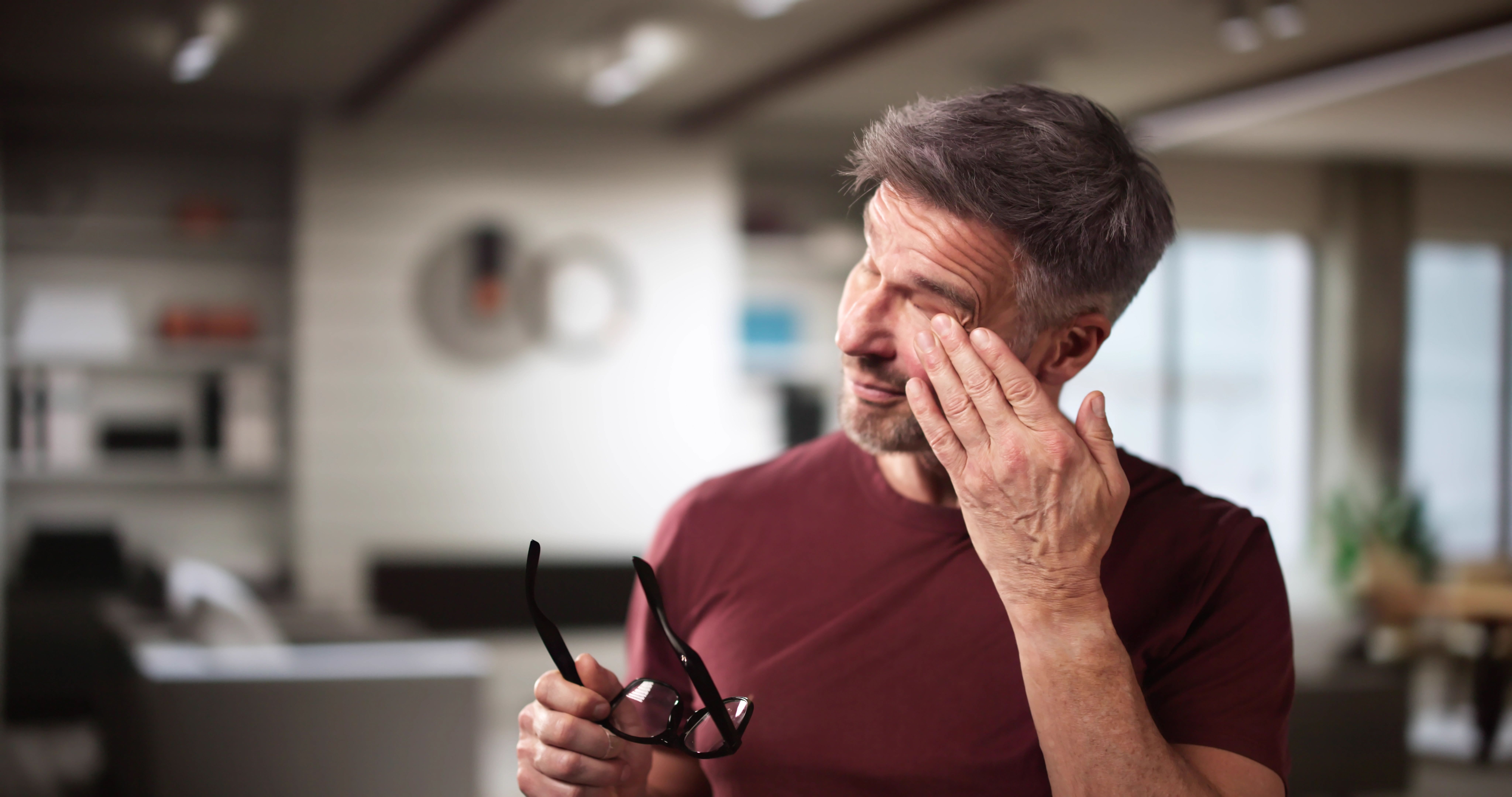
Dry eye is a common and often frustrating condition that can interfere with everything from reading and driving to working on a computer. While occasional dryness may seem minor, persistent symptoms can signal an underlying imbalance in your tear system that requires professional care. At Westside Vision, Dr. Dong provides personalized eye care to patients in the Chelsea area of Manhattan, helping them understand the root cause of their dry eye and find effective, long-term relief.
What Is Dry Eye?
Dry eye occurs when your eyes do not produce enough tears or when the quality of your tears is poor. Healthy tears are essential for maintaining clear vision and keeping the surface of the eye smooth and comfortable. Tears are made up of three layers - oil, water, and mucus - and an imbalance in any of these components can lead to dryness and irritation.
When the tear film becomes unstable, it can evaporate too quickly or fail to properly coat the eye’s surface. Over time, this can lead to inflammation and damage if left untreated.
Common Causes of Dry Eye
Dry eye can develop for several reasons, and in many cases, it’s a combination of factors.
- Aging: As we age, tear production naturally decreases. Dry eye is especially common in adults over 50.
- Meibomian Gland Dysfunction (MGD): MGD occurs when the tiny oil-producing glands along the eyelid margins become blocked or do not function properly. When the oil layer is compromised, tears evaporate too quickly - making MGD one of the leading causes of evaporative dry eye.
- Screen Time: Extended use of computers, tablets, and smartphones reduces how often we blink. Fewer blinks mean tears evaporate more quickly, leading to dryness.
- Environmental Factors: Wind, air conditioning, heating systems, and pollution can all contribute to tear evaporation.
- Contact Lens Wear: Long-term contact lens use may irritate the eye surface and disrupt the tear film.
- Hormonal Changes: Hormonal fluctuations, particularly in women, can affect tear production.
- Medical Conditions and Medications: Certain autoimmune disorders, allergies, and medications such as antihistamines, antidepressants, and blood pressure drugs can contribute to dry eye symptoms.
Signs and Symptoms to Watch For
Dry eye symptoms can range from mild to severe and may include:
- A burning or stinging sensation
- Gritty or sandy feeling in the eyes
- Redness
- Blurred vision that improves with blinking
- Light sensitivity
- Watery eyes
- Eye fatigue
Many people are surprised to learn that excessive tearing can actually be a sign of dry eye. When the eyes become irritated, they may overproduce low-quality reflex tears that do not provide lasting lubrication.
How Dry Eye Is Diagnosed
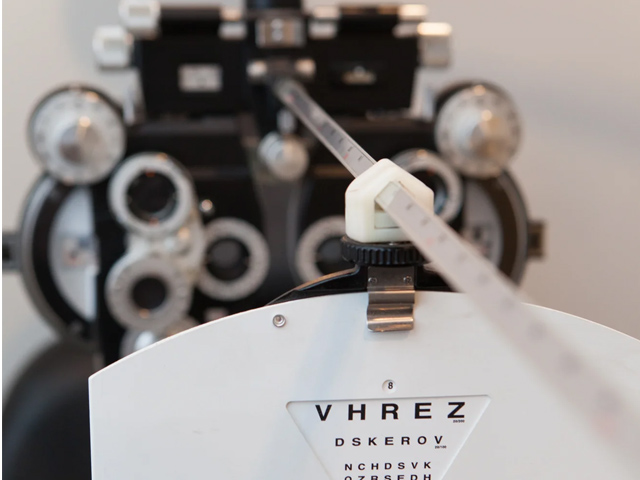
A comprehensive eye exam is the first step in identifying dry eye. During your visit, Dr. Dong will evaluate your tear production, tear film stability, and the overall health of your eye surface. Advanced diagnostic tools may be used to determine whether your dry eye is caused by reduced tear production, excessive evaporation, or inflammation. An accurate diagnosis is essential for creating an effective, personalized treatment plan.
Treatment Options for Dry Eye
The good news is that dry eye is highly manageable with the right care. Treatment depends on the underlying cause and severity of your symptoms.
- Artificial Tears: Over-the-counter lubricating eye drops can provide temporary relief for mild cases.
- Prescription Eye Drops: Medicated drops may be recommended to reduce inflammation and improve natural tear production.
- Lifestyle Adjustments: Taking regular screen breaks, using a humidifier, staying hydrated, and practicing proper blinking techniques can make a noticeable difference.
- Eyelid Hygiene: If dry eye is related to meibomian gland dysfunction (blocked oil glands), warm compresses and lid cleansing routines may be recommended.
- Advanced In-Office Treatments: For more persistent cases, specialized therapies can help improve tear quality and reduce inflammation long-term.
Because every patient’s eyes are different, a customized approach ensures the most effective and lasting relief.
Schedule Your Dry Eye Evaluation in Chelsea
Dry eye is a medical condition that can affect your quality of life and visual clarity. The right diagnosis and treatment plan can dramatically reduce symptoms and restore comfort. If you’re experiencing burning, irritation, or blurry vision, don’t ignore the signs. Dr. Dong at Westside Vision proudly provides expert eye care to the Chelsea community and beyond, helping patients achieve lasting relief from dry eye.
Contact Westside Vision to schedule a dry eye evaluation today. Discover personalized treatment options designed to restore comfort, protect your eye health, and keep your vision clear - right here in the heart of Chelsea. Visit our office in New York, NY, or call (212) 244-5536 to book an appointment.

Contact Info
Office Hours
- Monday 9:00am - 6:00pm
- Tuesday 9:00am - 6:00pm
- Wednesday 9:00am - 6:00pm
- Thursday 9:00am - 6:00pm
- Friday 9:00am - 6:00pm
- Saturday Closed
- Sunday Closed
© 2026 Westside Vision. All Rights Reserved. Accessibility Statement | Privacy Policy | Sitemap
Powered by:
