
Beyond Eye Drops: Advanced Relief for Chronic Dry Eye on the Upper West Side
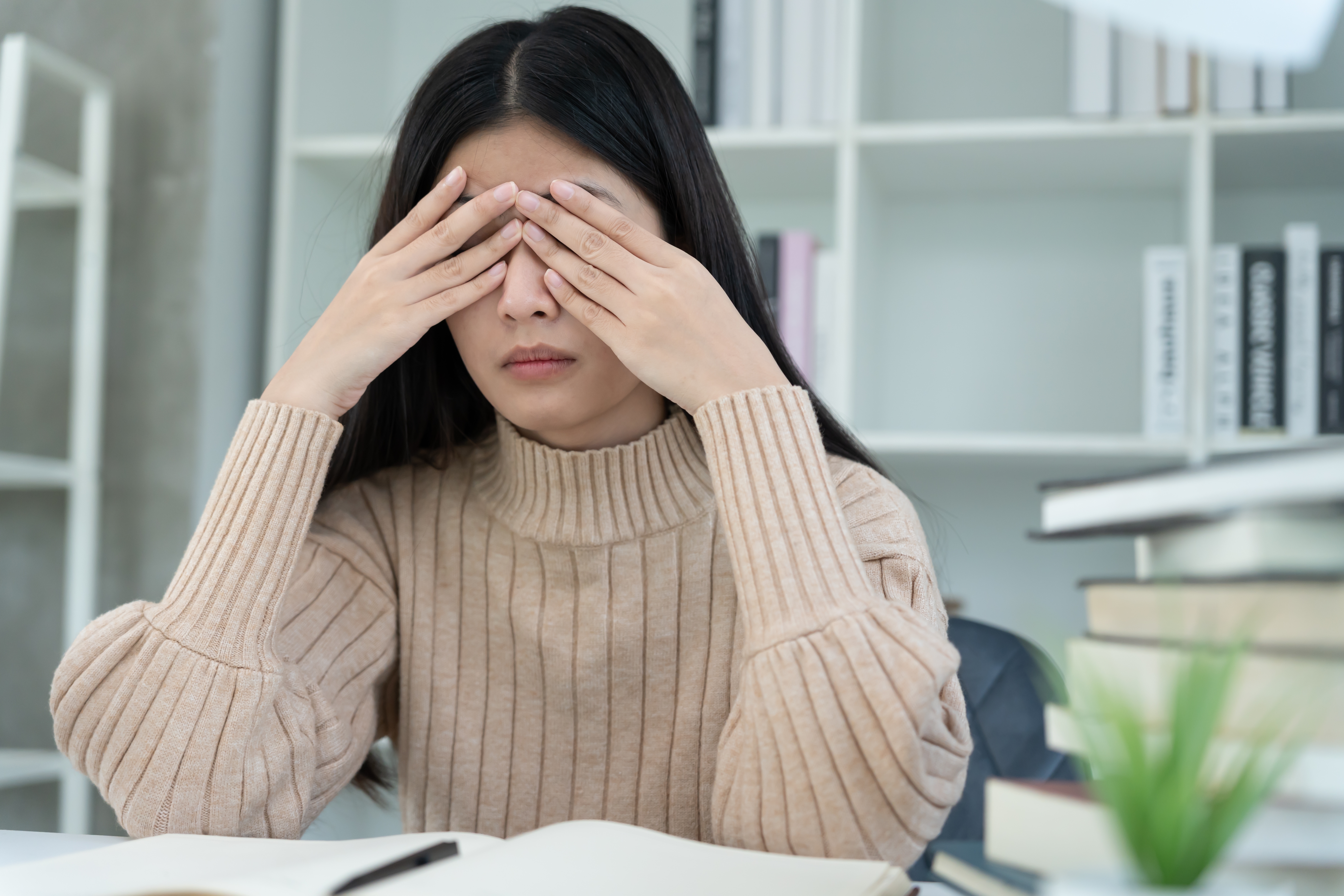
Artificial tears can be helpful when your eyes occasionally feel dry or irritated, but chronic dry eye often requires a deeper approach. If burning, grittiness, watering, or fluctuating vision keeps returning, the problem may involve the quality of your natural tears rather than simply how much moisture your eyes produce.
At Westside Vision in Chelsea, Manhattan, we evaluate the underlying causes of chronic dry eye so treatment can be more targeted. For patients with meibomian gland dysfunction, or MGD, advanced in-office treatment such as LipiFlow may help address blocked oil glands that contribute to excessive tear evaporation.
Why Chronic Dry Eye Keeps Coming Back
A healthy tear film contains several layers, including an oily outer layer produced by the meibomian glands along the eyelids. These oils help keep tears from evaporating too quickly.
When the glands become blocked or stop releasing healthy oils efficiently, the tear film can become unstable. Artificial tears may temporarily improve comfort, but symptoms often return because the underlying gland dysfunction remains.
Common dry eye symptoms include:
- Burning or stinging
- Gritty or sandy sensations
- Red or irritated eyes
- Watery eyes that still feel dry
- Fluctuating or blurry vision
- Contact lens discomfort
- Symptoms that worsen during screen use
Because allergies, medications, environmental exposure, eyelid problems, and other conditions can cause similar symptoms, a professional dry eye evaluation is important.
How LipiFlow Targets Meibomian Gland Dysfunction
LipiFlow is an in-office thermal pulsation treatment designed specifically to address blocked meibomian glands.
The system applies controlled heat to the inner eyelids while gentle pulsation is applied from the outside. The heat helps soften thickened oils trapped inside the glands, while the pressure helps encourage those oils to flow more normally.
By improving meibomian gland function, LipiFlow targets one of the major contributors to evaporative dry eye rather than simply adding moisture to the eye's surface.
Why Healthy Oil Glands Matter
Many patients assume dry eye means their eyes are not producing enough tears. In reality, some people produce plenty of watery tears but lack enough healthy oil to keep those tears from evaporating.
This is why watery eyes can actually occur alongside chronic dryness. The eyes may respond to irritation by producing more watery tears, but those tears may still evaporate quickly without a stable oil layer.
For Chelsea and Manhattan patients with MGD, improving gland function can help create a more stable tear film and provide longer-lasting comfort.
LipiFlow Is Not the Same as Using Eye Drops
Artificial tears and LipiFlow serve different purposes. Lubricating drops can provide temporary moisture and may remain useful as part of a broader dry eye care plan.
LipiFlow, however, is designed to treat gland obstruction when meibomian gland dysfunction is contributing to symptoms.
Not every dry eye patient has MGD, which is why treatment should begin with an evaluation rather than assuming one therapy will work for everyone. Some patients may have low tear production, inflammation, allergies, medication-related dryness, or multiple contributing factors.
Screen Time Can Make Dry Eye More Noticeable
Manhattan professionals and students often spend long stretches working on computers and phones. During concentrated screen use, people tend to blink less frequently and less completely.
Reduced blinking can prevent the meibomian glands from releasing oil effectively and can allow tears to evaporate faster. Heated apartments, air conditioning, wind, and contact lens wear may add to the problem.
Taking screen breaks, blinking more fully, and keeping airflow away from your face can help, but persistent symptoms may need more than lifestyle changes alone.
Start With the Cause, Not Just the Symptoms
Chronic dry eye treatment works best when it is based on what is actually disrupting your tear film. A detailed eye examination can help identify whether meibomian gland dysfunction or another condition is responsible for recurring discomfort.
If eye drops are no longer giving you enough relief, schedule a dry eye evaluation with Westside Vision at 307 7th Avenue, Suite 307, New York, NY 10001, or call (212) 244-5536 to find out whether LipiFlow or another personalized dry eye treatment may be right for you.

Contact Info
Office Hours
- Monday 9:00am - 6:00pm
- Tuesday 9:00am - 6:00pm
- Wednesday 9:00am - 6:00pm
- Thursday 9:00am - 6:00pm
- Friday 9:00am - 6:00pm
- Saturday Closed
- Sunday Closed
© 2026 Westside Vision. All Rights Reserved. Accessibility Statement | Privacy Policy | Sitemap
Powered by:
